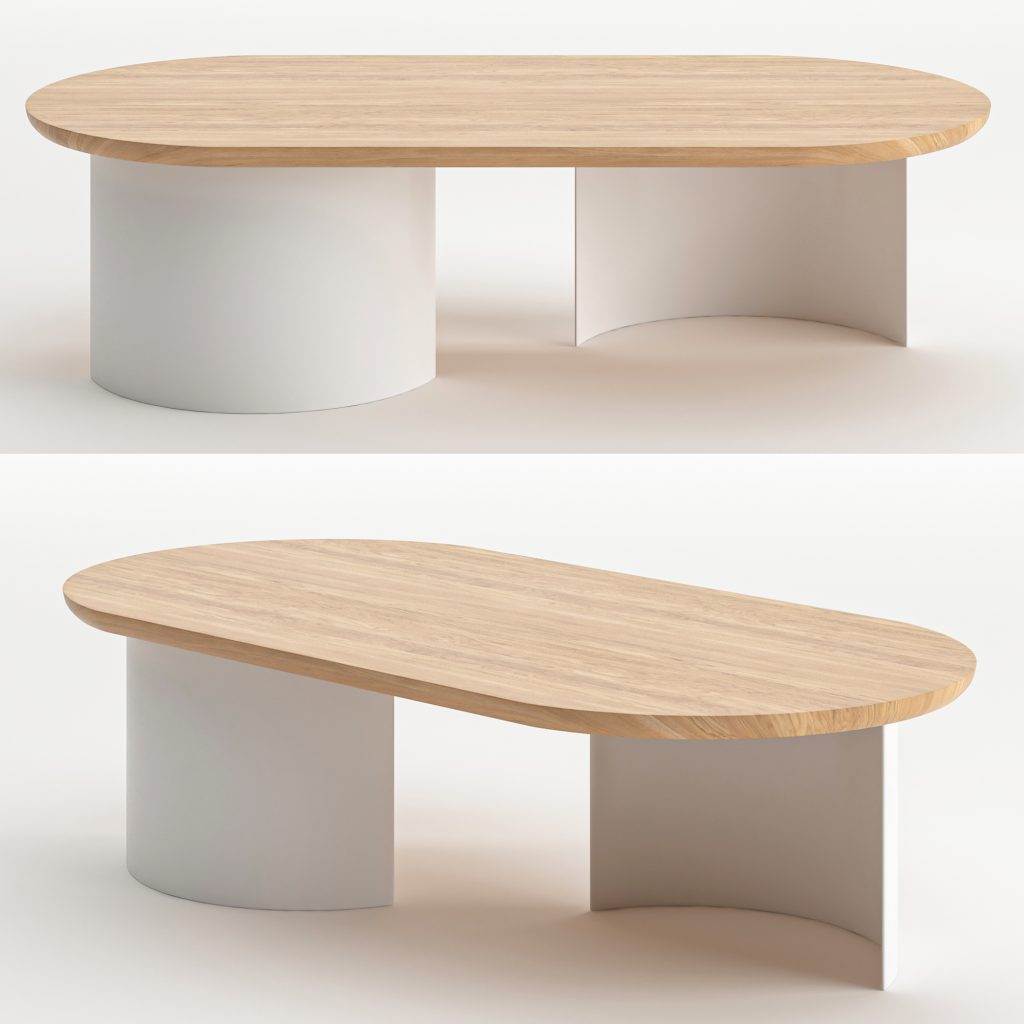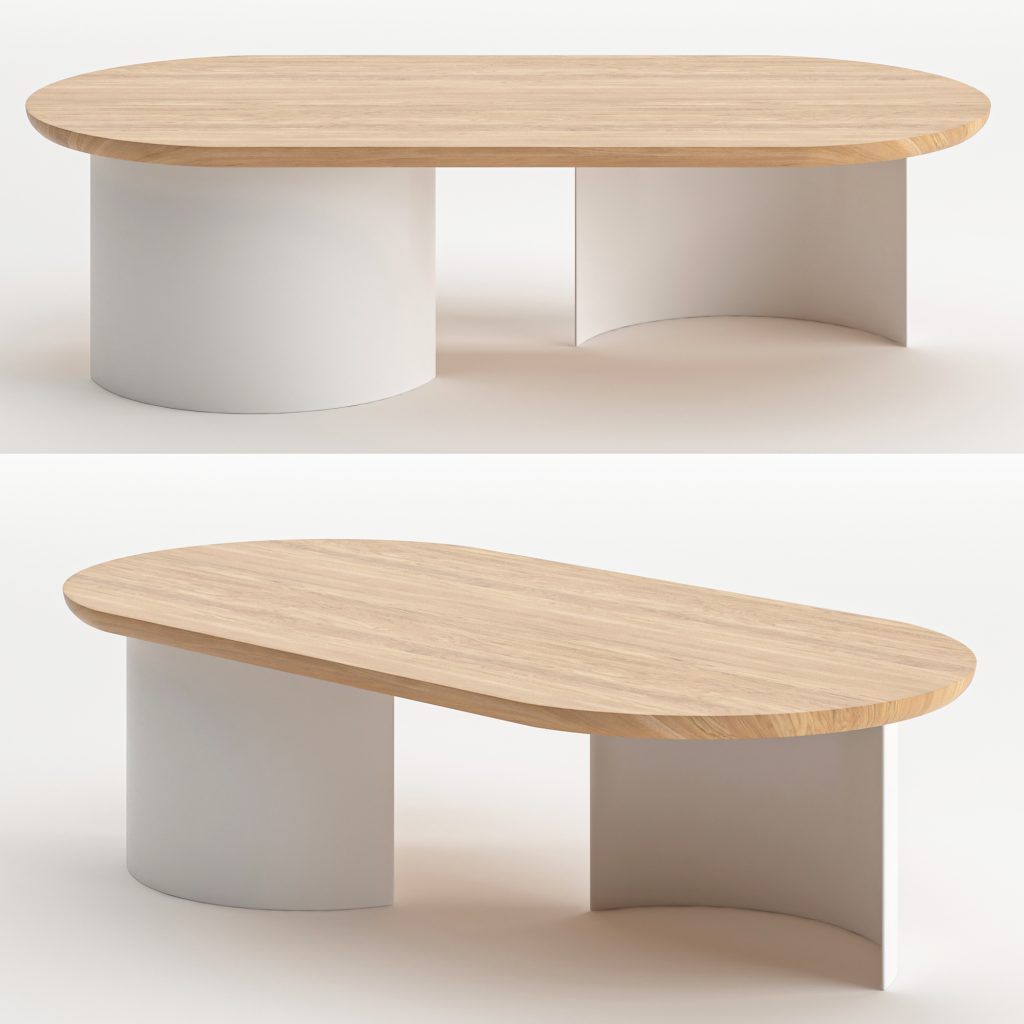
Designing the interior of a table involves more than just choosing a flat surface to place items. It’s about selecting a table that complements your interior decor, serves a functional purpose, and enhances the overall aesthetics of a room. Here’s an elaborate overview of interior design considerations for tables:
1. Purpose and Function:
- Determine the table’s primary function. Is it a dining table, coffee table, side table, or a console table? The purpose will guide your design choices.
2. Style and Aesthetics:
- Select a table style that aligns with the room’s overall decor. Styles range from traditional and rustic to modern and minimalist. Consider the table’s shape, material, and design details.
3. Material and Finish:
- Choose the material and finish of the table. Common options include wood, glass, metal, marble, and more. The material should complement the room’s design and intended use.
4. Size and Proportion:
- Ensure the table’s size and proportions are appropriate for the available space and other furniture in the room. It should neither overpower nor be dwarfed by the surrounding elements.
5. Color and Finish:
- Select a color or finish that harmonizes with the room’s color palette. Tables can be a focal point or a subtle complement, depending on your design objectives.
6. Shape and Design:
- Consider the table’s shape. Round, square, rectangular, or oval tables have different visual impacts. Design elements such as legs, base, and edges can be intricate or minimalist.
7. Functionality:
- Think about the table’s functionality. Does it need to have storage space, like drawers or shelves, or do you prefer a simpler design?
8. Maintenance and Durability:
- Choose materials and finishes that are easy to maintain and can withstand wear and tear. Consider factors like scratch resistance and cleaning requirements.
9. Versatility:
- Consider tables with versatile features. For instance, a coffee table with a lift-top can serve as a workspace or dining table when needed.
10. Lighting and Accessories:
- Enhance the table’s appeal with appropriate lighting and accessories. This may include table lamps, decorative vases, or table runners.
11. Complementary Furniture:
- Ensure that the table complements other furniture and decor in the room. Its design should harmonize with the overall interior.
12. Placement and Layout:
- Position the table in a way that serves its function effectively and contributes to the room’s layout and traffic flow.
13. Personalization:
- Add personal touches to the table with decor items, such as centerpieces, books, or framed photos.
14. Cohesion and Harmony:
- Aim for a cohesive and harmonious design by considering how the table fits into the room’s overall theme and style.
15. Flexibility and Adaptability:
- Tables with adjustable heights or expandable features can adapt to various needs and room configurations.
The design of a table, whether it’s a dining table, coffee table, or any other type, plays a significant role in the interior of a room. It’s important to choose a table that not only serves its functional purpose but also enhances the aesthetics and atmosphere of the space, making it a more inviting and well-designed environment.