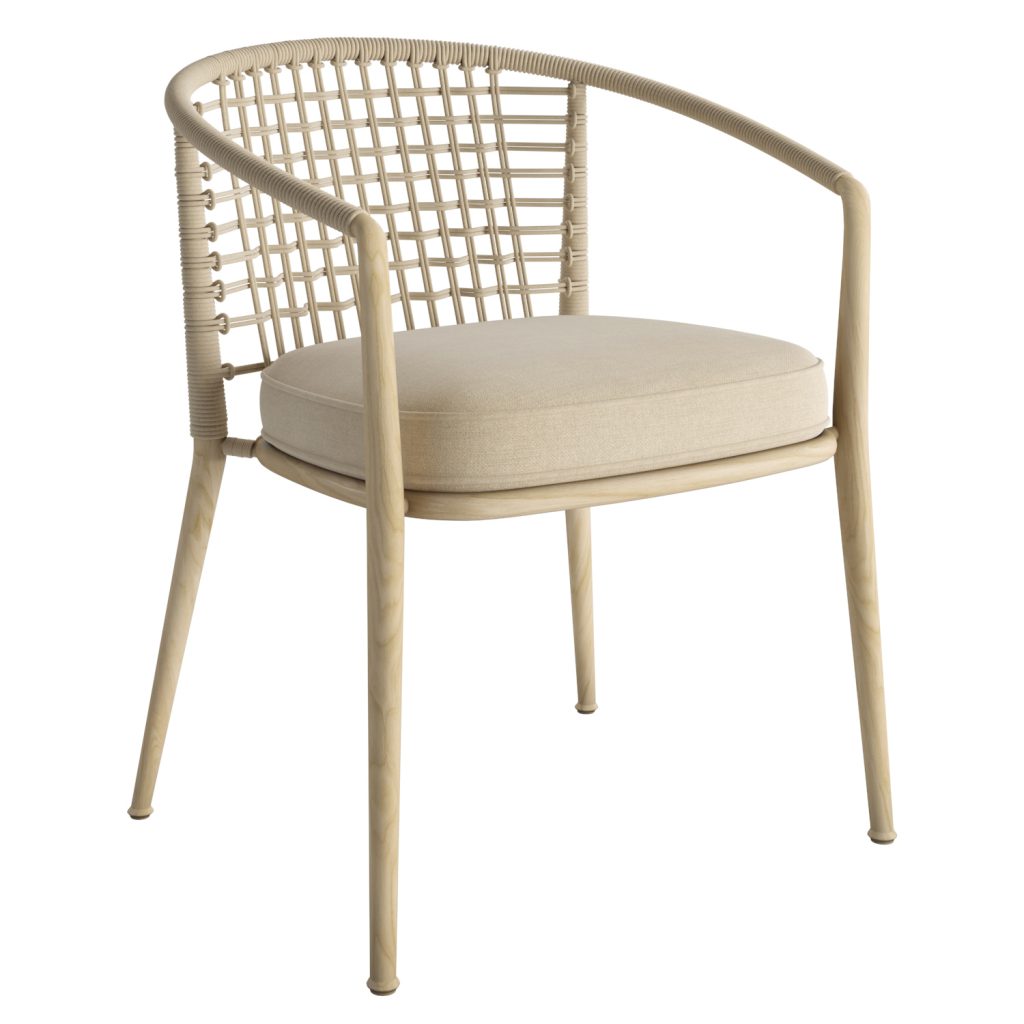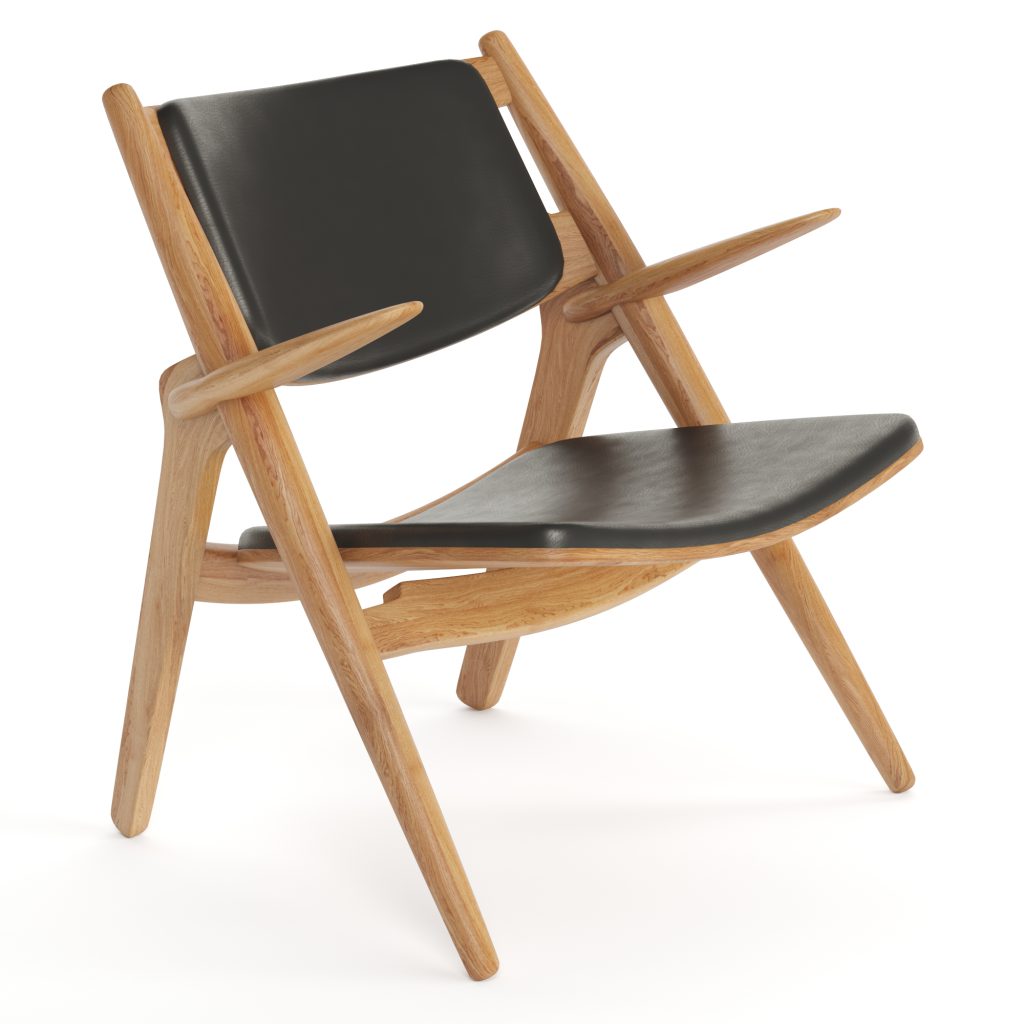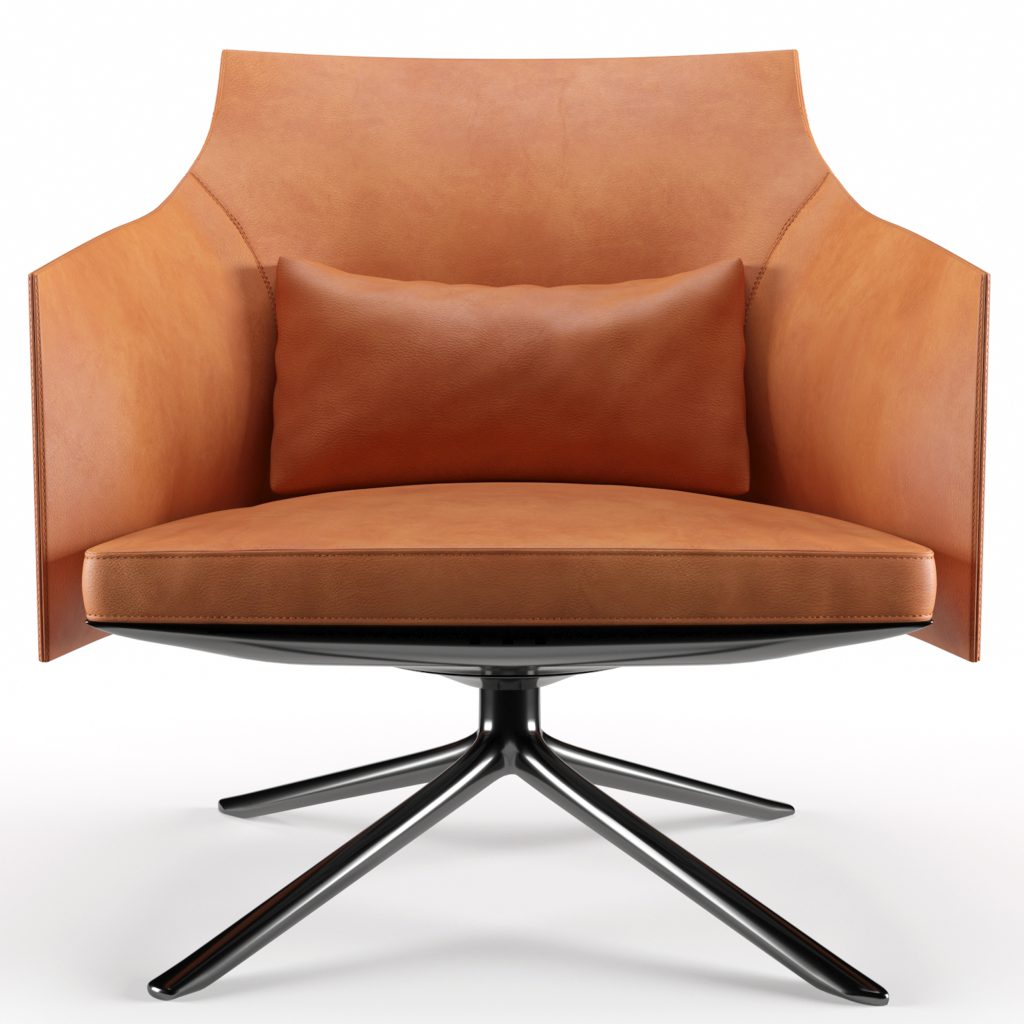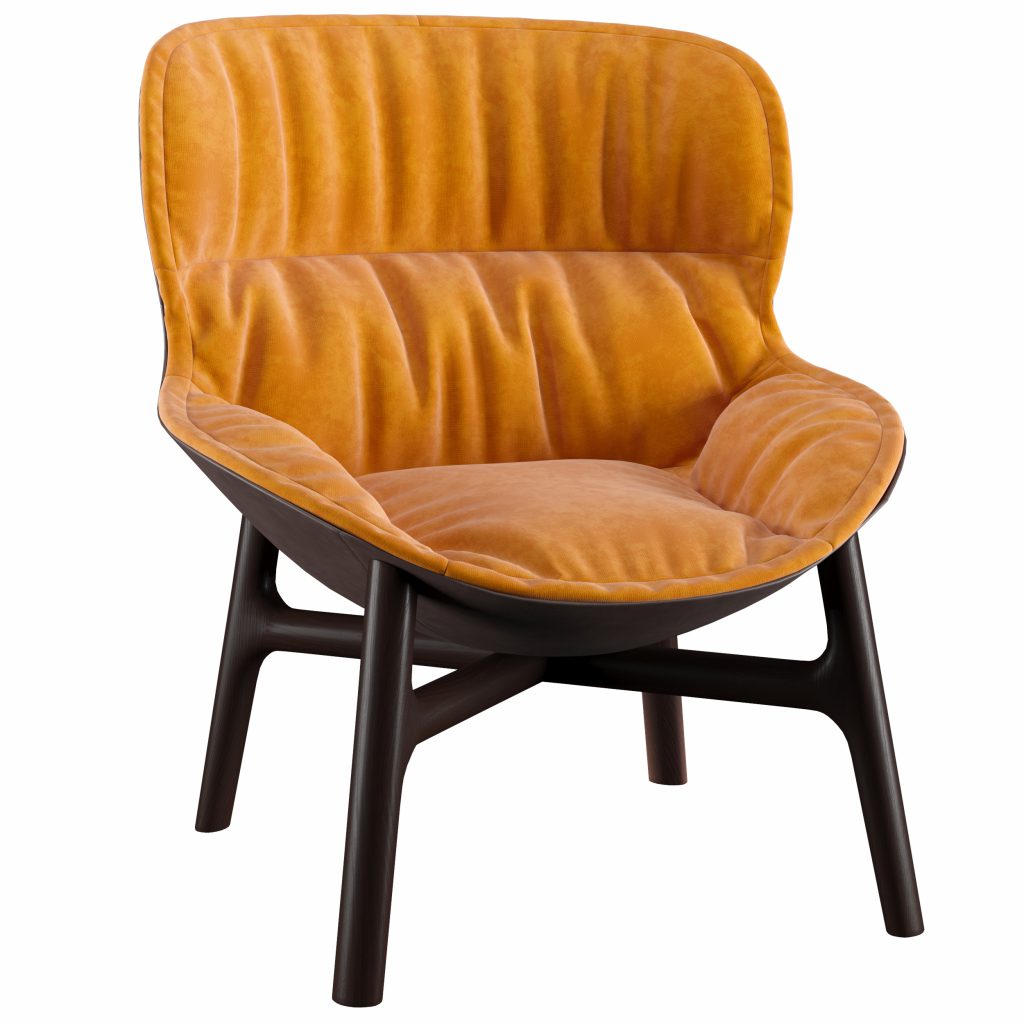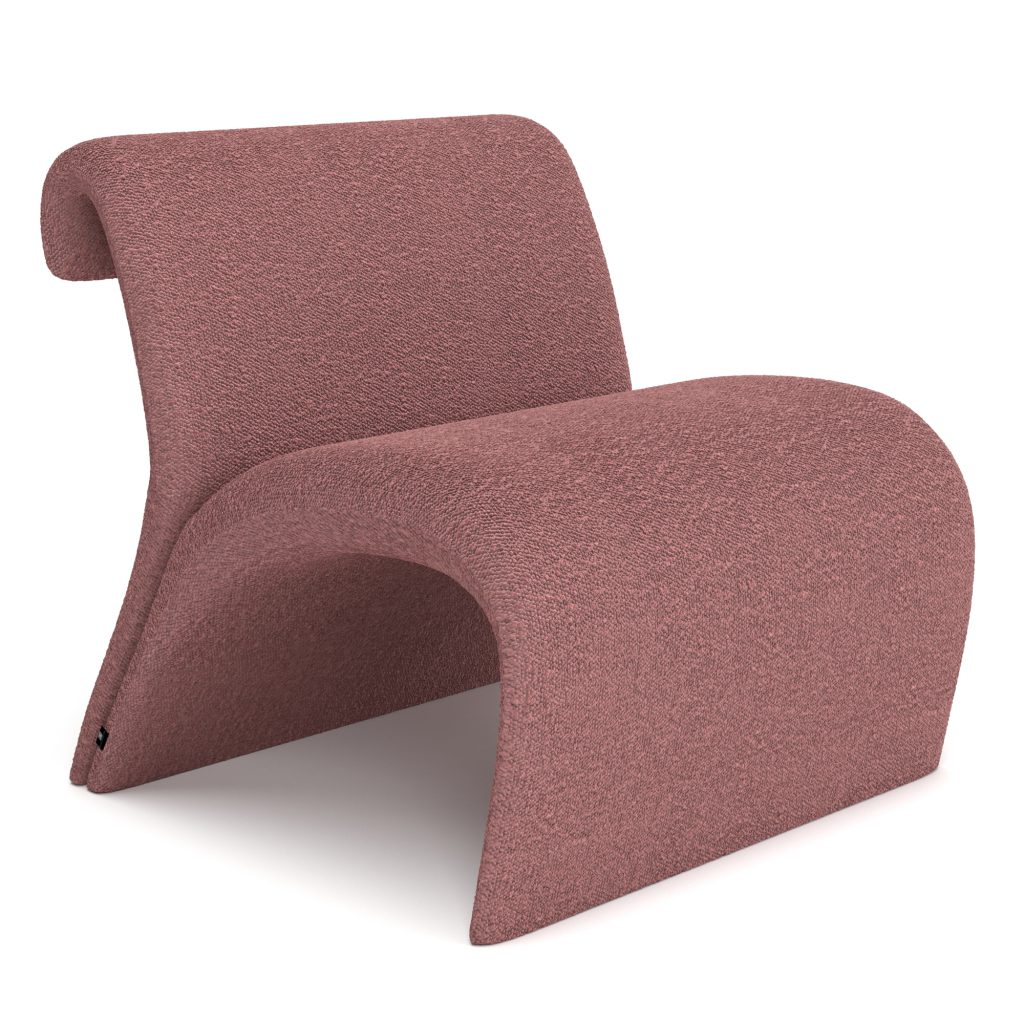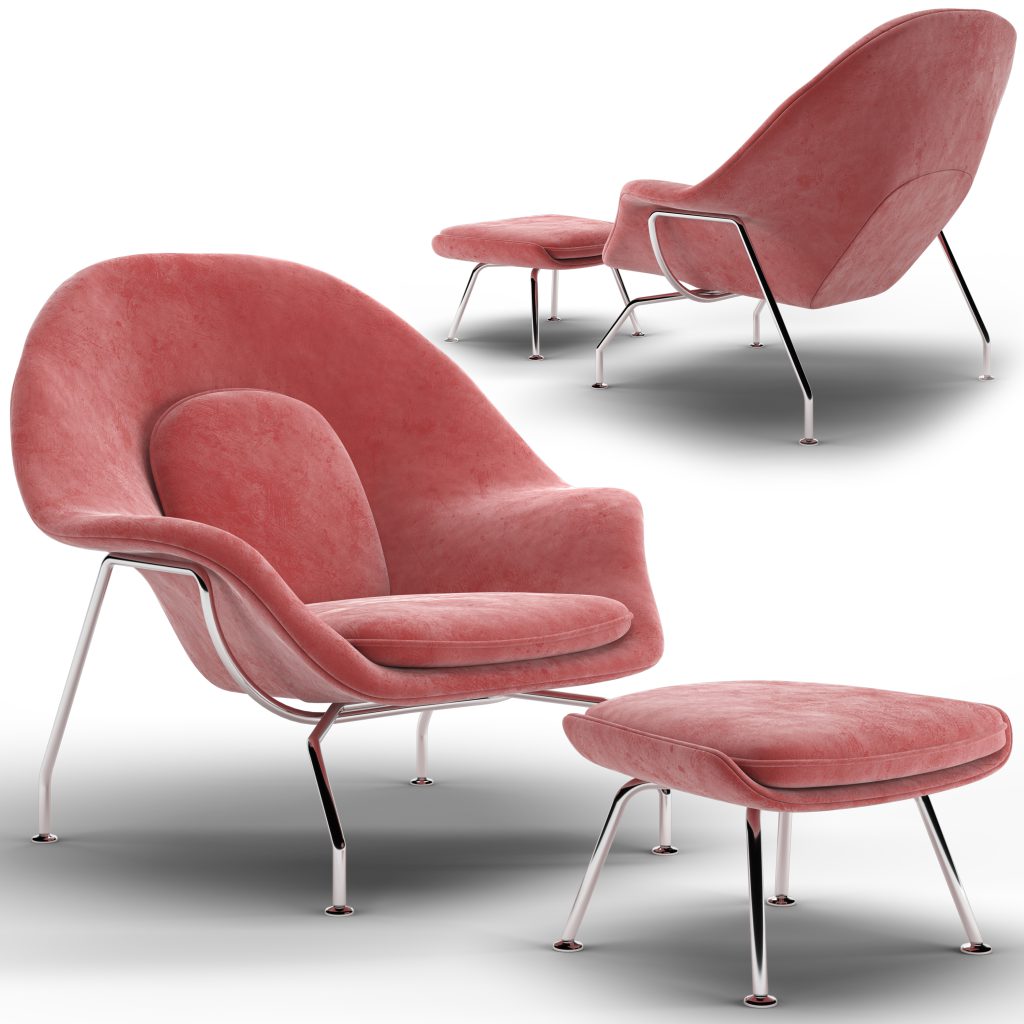
Designing the interior of an armchair involves creating a comfortable, aesthetically pleasing, and functional seating element. Here’s an elaborate overview of interior design for an armchair:
1. Purpose and Placement:
- Determine where the armchair will be placed and its intended purpose. Is it for a living room, reading nook, office, or bedroom? The location and function will influence the design.
2. Style and Aesthetics:
- Select a design style that matches the room’s overall decor. Styles range from traditional and classic to modern and minimalist. Consider factors like the chair’s shape, upholstery, and finish.
3. Upholstery:
- Choose the fabric or material for the chair’s upholstery. Options include leather, velvet, linen, cotton, or synthetic materials. Consider factors like durability, ease of cleaning, and how the material complements the room’s color scheme.
4. Color and Pattern:
- Select a color or pattern that harmonizes with the room’s color palette and style. A neutral-colored chair can serve as an elegant accent, while a bold pattern can make a statement.
5. Frame and Structure:
- Consider the chair’s frame and structure. Materials can range from wood to metal or a combination of both. Ensure that the construction is sturdy and built to last.
6. Comfort:
- Pay attention to the chair’s ergonomics and comfort. Features like padded cushions, proper lumbar support, and armrest height contribute to comfort. Test the chair for sitting comfort before making a decision.
7. Size and Proportion:
- Ensure that the chair’s size and proportions are suitable for the intended space. Consider the chair’s dimensions in relation to other furniture and the room’s layout.
8. Functionality:
- Evaluate if the chair needs additional functionality, such as reclining or swivel features. These can enhance the chair’s utility and versatility.
9. Legs and Feet:
- Decide on the type of legs or feet for the chair. Options include wooden legs, metal bases, or even casters for mobility. The choice should complement the chair’s style.
10. Finish and Details:
- Pay attention to finishing touches and details, such as nailhead trim, tufting, or decorative stitching. These elements can add character and sophistication.
11. Maintenance and Durability:
- Choose materials and finishes that are easy to maintain and can withstand wear and tear. Consider factors like stain resistance and cleaning requirements.
12. Lighting and Accessories:
- Enhance the chair’s appeal with appropriate lighting and accessories, such as a floor lamp, side table, or decorative throw pillows.
13. Personalization:
- Make the armchair your own by adding personal touches, such as custom embroidery or monogramming, which can add uniqueness and personality.
14. Complementary Furniture:
- Ensure that the armchair complements other furniture and decor in the room. Its design should harmonize with the overall interior.
15. Placement and Layout:
- Position the chair in a way that encourages conversation or relaxation, depending on its intended use. Consider how it fits into the room’s layout and traffic flow.
A well-designed armchair not only offers a comfortable seating option but also contributes to the overall aesthetics of a room. It’s essential to strike a balance between style, comfort, and functionality to create a piece that enhances the interior’s design and provides a cozy and inviting place to sit and relax.